Park Monrepos / Hochschule Geisenheim
Rüdesheimer Straße 5, 65366 Geisenheim
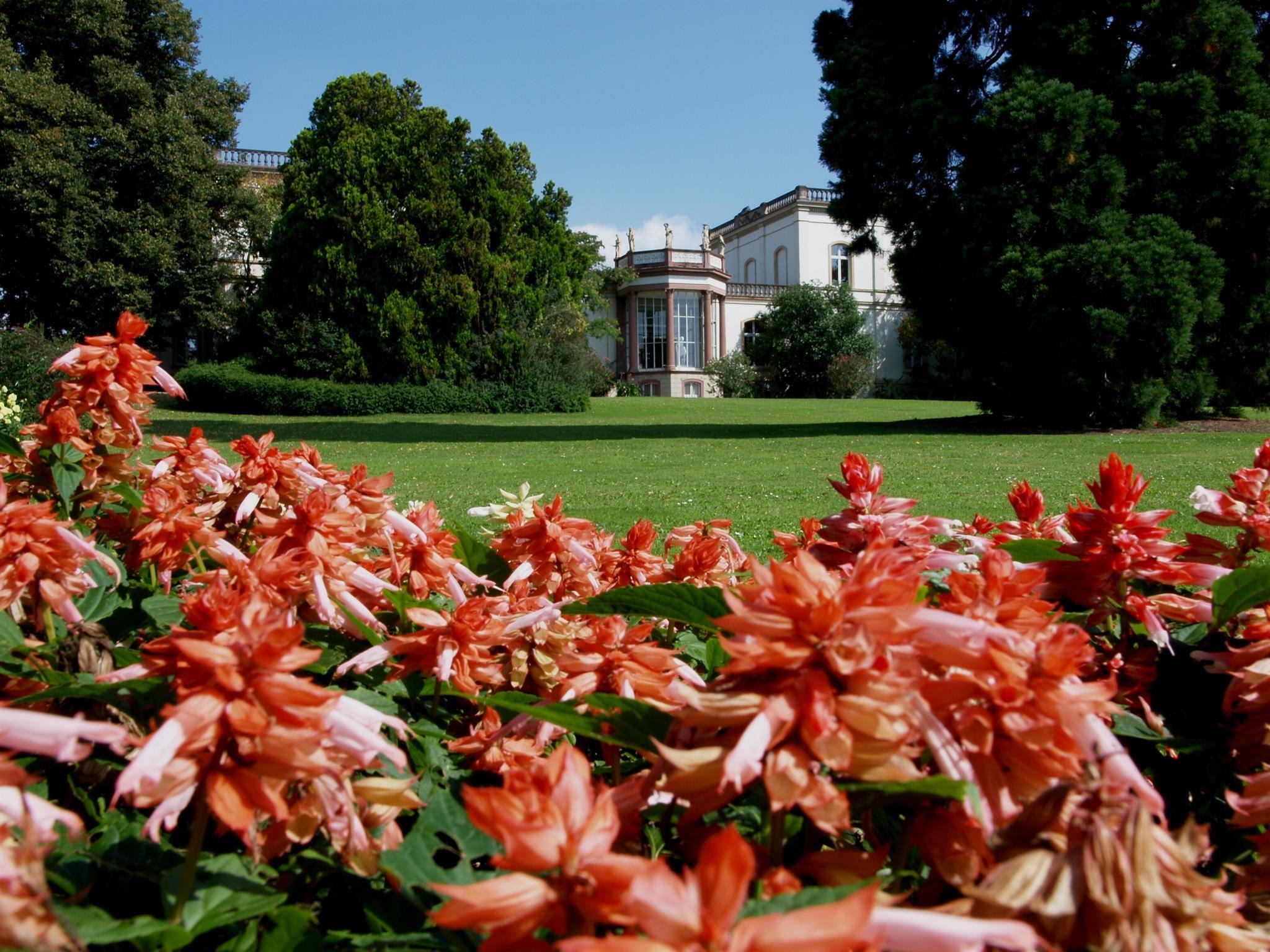
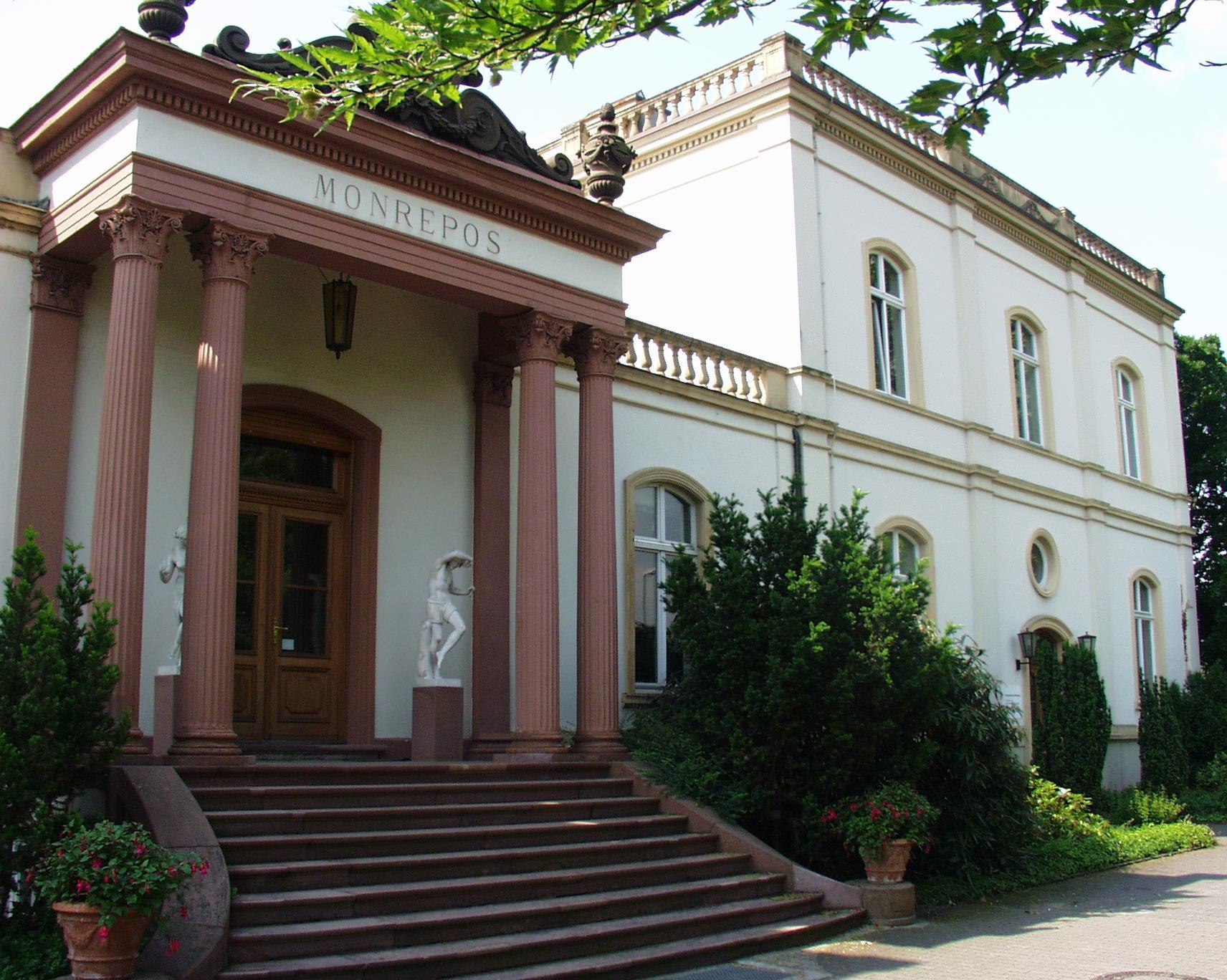
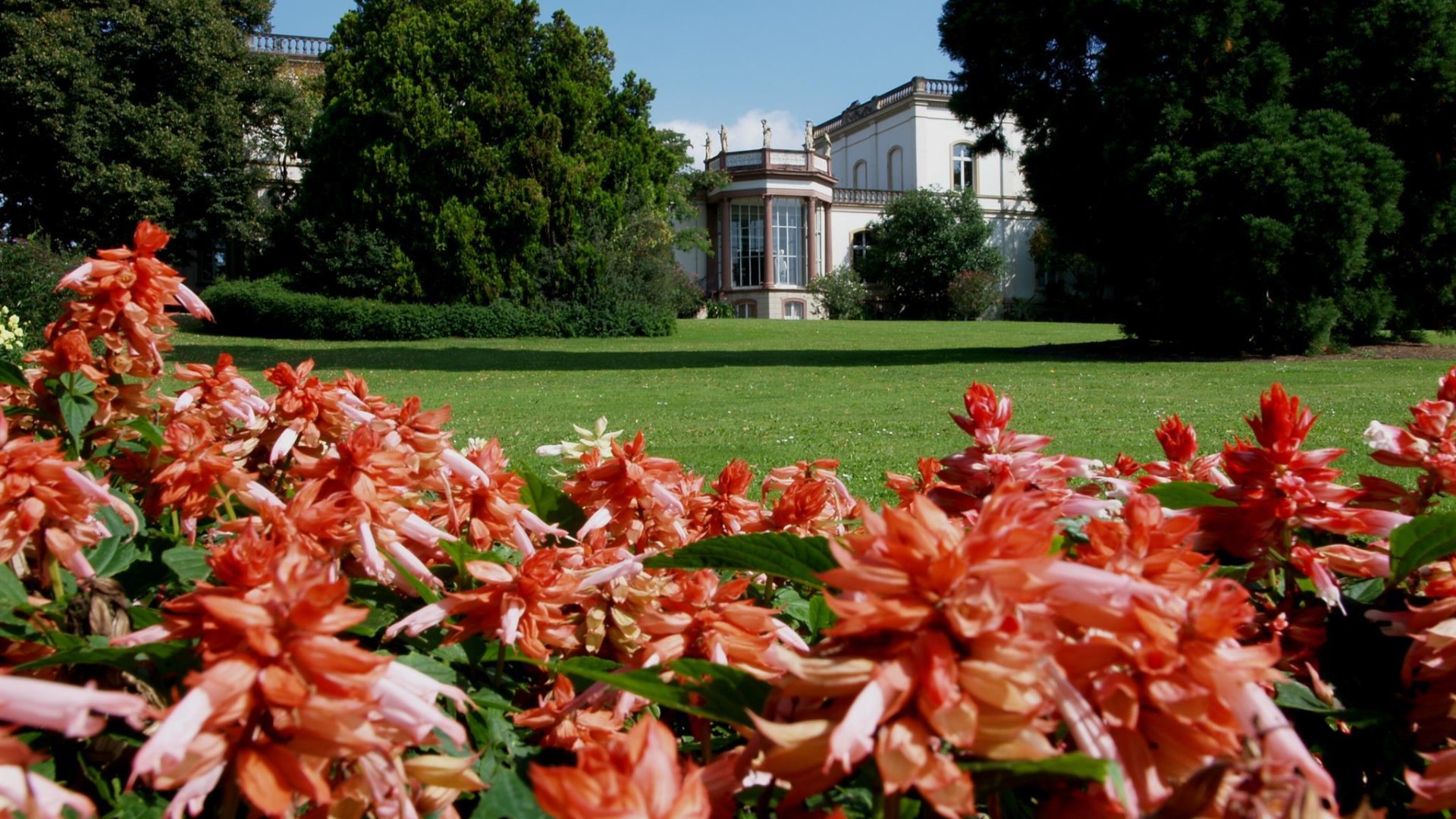
The Park Monrepos is part of the park facilities of the Hochschule Geisenheim.
Monrepos was destroyed in World War II and then redesigned. Today, the Park Monrepos showcases garden art from the 1950s and 1960s with concrete elements and natural stone work.
Visiting the park facilities is free of charge.
Guided tours of the park are available for a fee and by prior arrangement with Campus Geisenheim GmbH.
The Research Institute for Horticulture and Viticulture in Geisenheim/Rheingau was founded in 1872 by Baron Eduard von Lade as the then Royal Prussian Teaching Institute for Fruit and Viticulture.
Eduard von Lade was born in 1817 in Geisenheim as the son of a wealthy wine merchant. With exports, banking, and also arms deals both domestically and abroad, he acquired a considerable fortune and was able to retire in Geisenheim at the age of 44 in 1861. He had Monrepos built there, a luxurious estate in neoclassical style with extensive parklands near the banks of the Rhine. Here he devoted himself to his private interests, the most important of which were fruit growing and breeding new fruit varieties.
He reportedly sent boxes of selected apples and pears to the Prussian King Wilhelm I and Chancellor Otto von Bismarck with the request to establish a "pomological university" in the preferred fruit-growing region of Geisenheim. After a few years, he was successful in this endeavor. He was also successful as a hobby astronomer. The Lade crater (1.3°S 10.1°E) on the moon and the asteroid 340 Eduarda were named after him.
The tasks of the research institute initially included research, especially in the fields of viticulture and pomology (Greek: the study of fruit growing), as well as the organization of studies in horticulture and viticulture in Geisenheim. In 1972, research and education were institutionally separated. The research institute continues to perform research tasks in the fields of horticulture and viticulture as well as beverage technology, while the Hochschule RheinMain maintains the Geisenheim department with its ten study programs and areas in close cooperation with the research institute.
The Research Institute Geisenheim was financed, in addition to obtaining third-party funding, until 2011 by the states of Hesse and Rhineland-Palatinate, which regulated the operation and financing of the research institute in a state treaty. After Rhineland-Palatinate terminated the state treaty in June 2010, the state of Hesse took over sole financing from 2011 onwards.
Among other things, the Müller-Thurgau grape variety and the foundations for Hohe C and Dr. Koch drink 10 were established in Geisenheim.
Today, interdisciplinary collaboration takes place in scientific projects across five institutes with a total of 13 specialist areas, addressing topics such as green biotechnology (hypersensitivity issues, resistance breeding), viticultural questions (alcohol management, sensory analysis, climate), future-oriented technologies, and issues of internal quality and valuable components in wine, fruit, vegetable, and ornamental plant cultivation.